





Have you ever considered a dwelling that not only shelters you from the elements but also actively contributes to its own energy independence, drawing power directly from the sun? This is the compelling reality of zero-energy homes with solar power, a concept moving from niche innovation to a significant paradigm shift in sustainable construction. It’s not simply about slapping a few panels on a roof; it’s about a holistic approach where energy generation and consumption are meticulously balanced. For the discerning homeowner or builder, understanding the underlying principles is key to unlocking true energy autonomy and environmental stewardship.
Beyond the Panels: Defining the True Net-Zero Equation
At its core, a zero-energy home, often referred to as a Net Zero Energy Building (NZEB), is one that produces as much renewable energy as it consumes over the course of a year. Solar photovoltaic (PV) systems are the most prevalent and practical method for achieving this goal in residential and commercial structures. However, the equation extends far beyond the mere installation of solar arrays. It necessitates a fundamental re-evaluation of how buildings are designed, constructed, and operated.
The term “zero-energy” itself is sometimes misunderstood. It doesn’t necessarily mean a home that generates 100% of its power on-demand, 24/7, from its own panels. Instead, it means that over an annual cycle, the total energy produced by the on-site renewable energy systems (primarily solar) equals or exceeds the total amount of energy consumed by the building. This often involves exporting surplus energy to the grid during sunny periods and drawing from the grid when solar generation is insufficient (e.g., at night or on overcast days), with utility meters tracking these exchanges.
Pillars of Performance: Designing for Minimal Energy Demand
Before even considering solar panels, the bedrock of any successful zero-energy home lies in drastically reducing its energy demand. This is where architectural design and material science play their most crucial roles. Without this foundational step, the solar array would need to be prohibitively large and expensive, defeating the economic and practical advantages.
Superior Insulation and Air Sealing: This is arguably the most critical element. A well-insulated building envelope minimizes heat loss in winter and heat gain in summer. Think of it as a high-performance thermos. Advanced insulation materials, coupled with meticulous air sealing to prevent unwanted drafts, significantly reduce the load on heating and cooling systems. I’ve seen projects where the difference in energy bills between a poorly sealed and a tightly sealed home is staggering, even with identical heating and cooling systems.
High-Performance Windows and Doors: These are often the weakest links in the thermal envelope. Triple-paned windows with low-emissivity (low-E) coatings and insulated frames are essential. Their strategic placement also plays a role in passive solar heating during winter and minimizing solar heat gain in summer.
Passive Solar Design Principles: This involves orienting the building to take advantage of the sun’s path. Overhanging eaves can shade windows from high summer sun, while allowing lower winter sun to penetrate and provide natural warmth. Thermal mass (materials like concrete or brick that absorb and release heat slowly) can further regulate indoor temperatures.
The Heart of Generation: Optimizing Solar Photovoltaic Systems
Once the home’s appetite for energy has been minimized, the focus shifts to meeting that reduced demand with clean, renewable energy. Solar PV is the undisputed champion here.
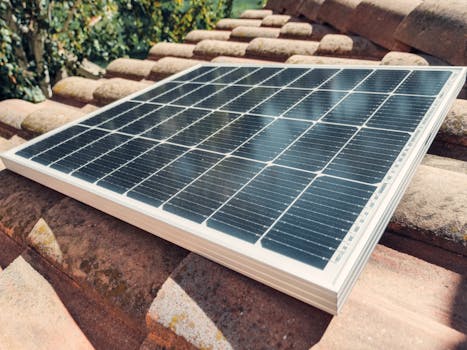
Panel Efficiency and Placement: The selection of solar panels is important, with advancements continually improving efficiency (the percentage of sunlight converted into electricity). However, optimal placement and orientation are equally, if not more, critical. South-facing roofs in the Northern Hemisphere typically receive the most direct sunlight throughout the year, maximizing energy harvest. Shading from trees or adjacent structures must be carefully avoided.
Inverter Technology: The inverter converts the direct current (DC) electricity produced by the solar panels into the alternating current (AC) electricity used by homes. Modern inverters are highly efficient, and options like microinverters or power optimizers can improve performance by mitigating the impact of shading on individual panels.
System Sizing: Accurately calculating the required solar array size is a complex but vital step. It involves analyzing the home’s projected annual energy consumption, considering factors like climate, occupancy, and appliance efficiency. Oversizing can lead to unnecessary costs, while undersizing means failing to reach net-zero status.
Beyond the Basics: Advanced Technologies and Energy Management
Achieving true zero-energy status, particularly in the face of variable energy demands and solar output, often requires more than just passive design and solar panels.
Energy Storage Solutions: Battery storage systems are becoming increasingly integral to zero-energy homes. These batteries store surplus solar energy generated during the day for use at night or during grid outages. This enhances self-sufficiency and provides a crucial buffer against grid instability. The cost of these systems has been steadily declining, making them a more viable option for many homeowners.
Smart Home Technology and Energy Monitoring: Intelligent home energy management systems (HEMS) are the brain of a zero-energy home. They monitor energy production and consumption in real-time, allowing occupants to understand their usage patterns and optimize appliance operation. Smart thermostats, smart plugs, and integrated control systems can automatically adjust energy use based on grid prices, solar availability, or pre-set preferences. This proactive approach is fundamental to maintaining the zero-energy balance.
Heat Pump Technology: For heating and cooling, highly efficient heat pumps (air source or ground source) are preferred. These systems use electricity to transfer heat rather than generate it through combustion, making them far more energy-efficient, especially when powered by solar.
The Lifecycle Advantage: Financial and Environmental Returns
The allure of zero-energy homes with solar power extends beyond the immediate benefits of reduced utility bills. It represents a significant long-term investment with tangible financial and environmental returns.
Reduced Operating Costs: The most obvious advantage is the dramatic reduction, or even elimination, of monthly electricity bills. Over the lifespan of a home, this can translate into tens of thousands of dollars in savings.
Increased Home Value: Homes that are energy-efficient and self-sufficient are increasingly attractive to buyers. Studies have shown that zero-energy homes often command a premium in the real estate market.
Environmental Impact: By generating clean energy and reducing reliance on fossil fuels, zero-energy homes contribute significantly to lowering greenhouse gas emissions and combating climate change. They represent a tangible step towards a more sustainable future.
Energy Independence and Resilience: In an era of fluctuating energy prices and the increasing frequency of extreme weather events, the ability to generate your own power offers a valuable degree of energy independence and resilience.
Navigating the Path to Net-Zero
Building or retrofitting a zero-energy home is a complex undertaking that requires careful planning and execution. It’s not a one-size-fits-all solution. Engaging with experienced architects, builders, and solar installers who specialize in net-zero construction is paramount. Understanding local building codes, available incentives, and the specific climate conditions is also crucial for success.
One thing to keep in mind is that the journey to net-zero often involves a learning curve for the homeowner as well. Understanding how your home’s systems interact and how your consumption habits impact your energy balance is key to truly living in a zero-energy dwelling. It’s an evolving process, and one that is immensely rewarding.
Conclusion: A Foundation for Sustainable Living
Ultimately, zero-energy homes with solar power* represent more than just an energy strategy; they embody a philosophy of responsible resource management and forward-thinking design. By meticulously integrating energy-efficient building practices with robust solar generation and intelligent energy management, these homes offer a compelling vision for the future of housing. They are not only economically prudent but also vital for environmental preservation, paving the way for a more sustainable and resilient built environment for generations to come.